Pet First-Aid Cheat Sheet: Printable Emergency Steps
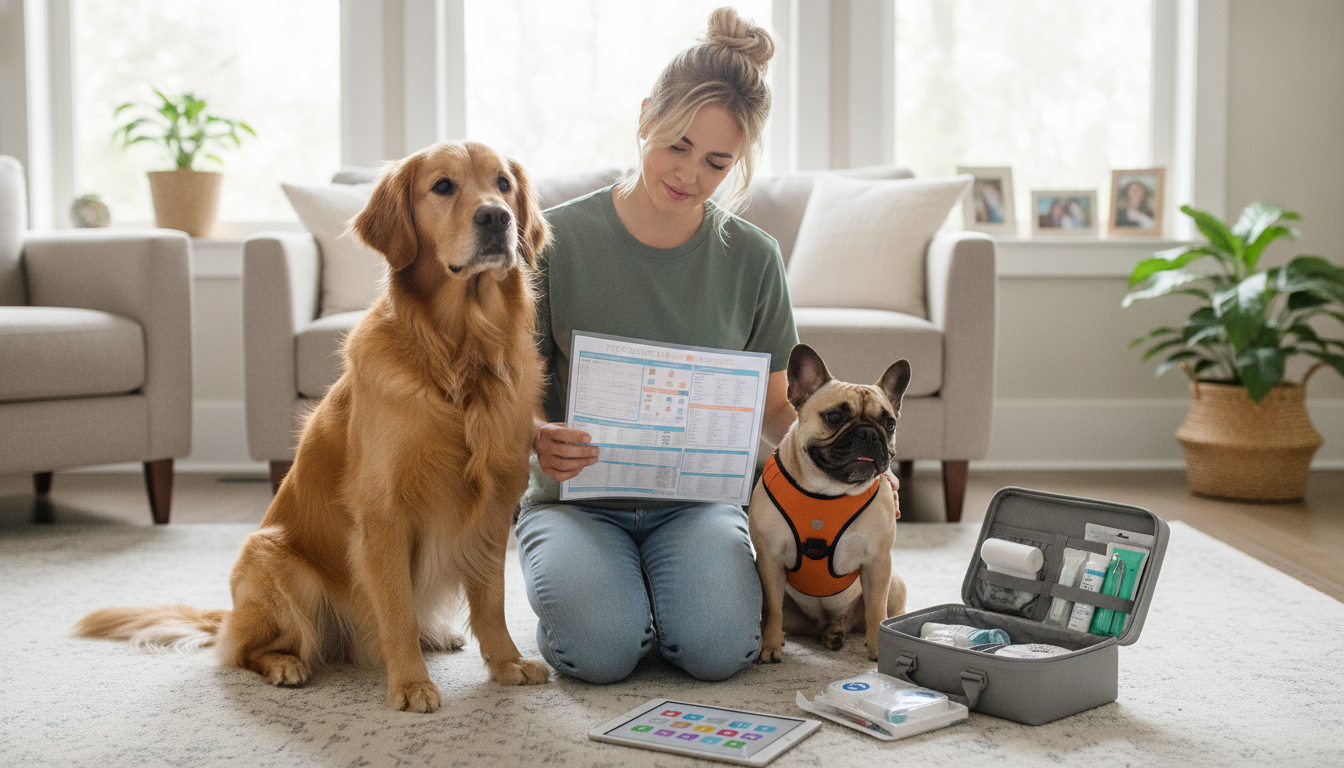
Pet emergencies have a way of turning “fine” into “critical” in minutes—choking, heavy bleeding, heat stress, toxins, or sudden collapse. A clear, printable first-aid cheat sheet helps you stay steady, follow priority steps, and get professional care faster. Below is a practical, vet-friendly guide to what to do first, what to avoid, what to keep in a pet first-aid kit, and when to contact a veterinarian or emergency clinic immediately.
Before Anything Else: The 60-Second Safety Check
- Protect people first. Pets in pain may bite or scratch. Use a muzzle for dogs only if breathing is normal and vomiting isn’t likely. For cats, focus on towel-wrapping and a secure carrier rather than a muzzle.
- Move away from danger. Get clear of traffic, water hazards, other animals, smoke, and chemicals before you assess injuries.
- Quick scan: breathing, bleeding, alertness, ability to stand/walk, and obvious swelling or severe pain.
- Call a veterinarian early. Contact your primary vet or the nearest 24/7 ER clinic right away, describe symptoms, and follow their instructions while you prepare to transport.
Red Flags That Require Immediate Veterinary Help
- Trouble breathing: open-mouth breathing in cats, blue/gray gums, persistent coughing, suspected choking.
- Uncontrolled bleeding or deep wounds, or bleeding that soaks through multiple layers of gauze.
- Collapse, seizures, extreme weakness, inability to stand, or sudden disorientation.
- Bloated abdomen with repeated unproductive retching or severe abdominal pain (possible bloat).
- Heatstroke signs: rapid panting, drooling, weakness, vomiting/diarrhea, collapse after heat exposure.
- Suspected poisoning, including human medications, rodenticides, chocolate, grapes/raisins, lilies (cats), xylitol, or unknown substances.
- Eye injuries, chemical exposure, or any injury involving the chest/abdomen.
When to transport now vs. monitor closely
| Situation | Do now | Avoid |
|---|---|---|
| Breathing distress or choking | Call emergency clinic; keep pet calm; head/neck aligned; transport immediately | Do not force water/food; avoid “blind” finger sweeps in the throat |
| Severe bleeding | Apply firm pressure with gauze; add layers; consider a light pressure wrap; go to vet | Do not remove embedded objects; do not loosen clotting pressure repeatedly |
| Suspected poisoning | Call ASPCA Poison Control or Pet Poison Helpline and your vet; bring packaging | Do not induce vomiting unless instructed; avoid home remedies |
| Heatstroke | Move to shade/AC; cool with lukewarm water and airflow; vet immediately | Avoid ice baths; do not delay vet care if symptoms are significant |
| Limping/minor cut, bright/alert | Clean gently; cover if needed; call vet for guidance | Do not give human pain meds |
Core First-Aid Skills Pet Owners Can Use Right Away
- Bleeding control: Direct pressure is the first-line step. Use clean gauze or a cloth and hold steady pressure without “checking” every few seconds.
- Bandaging basics: Non-stick pad over the wound, then rolled gauze, then self-adhering wrap. Check toes for swelling and keep it snug—not tight.
- Choking response: If an object is visible and easy to grasp, remove carefully. If not visible (or the pet is panicking), call ahead and transport urgently.
- Heat stress care: Cool gradually with lukewarm water and airflow. Offer small sips only if fully alert. Stop aggressive cooling once the pet’s behavior improves and still seek veterinary evaluation.
- Fracture or severe pain: Limit movement. Use a towel sling for dogs; for cats and small pets, use a carrier. A firm board or thick blanket can help keep the body stable during transport.
- Burns: Flush with cool running water for several minutes, cover with a clean non-stick dressing, and arrange a vet visit—burn depth is often worse than it looks.
What Not to Do (Common Mistakes That Make Injuries Worse)
- Do not give human medications (ibuprofen, acetaminophen, aspirin, cold/flu meds) unless a veterinarian specifically instructs it.
- Do not use peroxide, alcohol, essential oils, or harsh antiseptics in deep wounds; a gentle saline rinse is usually safer.
- Do not delay urgent care when red flags are present (breathing trouble, collapse, severe bleeding, repeated vomiting, toxin exposure).
- Do not use a muzzle if the pet is vomiting, struggling to breathe, or has facial trauma.
- Do not feed or give large amounts of water during suspected choking, bloat, or when urgent sedation/surgery may be needed.
The Printable Cheat Sheet: What to Include and How to Use It
If you want a ready-to-print format you can post inside a cabinet door or keep in your glove box, see the Must-Know Pet First-Aid Cheat Sheet (printable).
A Practical Pet First-Aid Kit Checklist (20 Essentials)
20 items to keep in a pet first-aid kit
| Category | Items (counted toward 20) |
|---|---|
| Wound care | Sterile gauze pads, Non-stick wound pads, Rolled gauze, Self-adhering wrap, Medical tape |
| Cleaning & flushing | Saline wound wash, Antiseptic wipes (pet-safe), Disposable gloves |
| Tools | Blunt-tip scissors, Tweezers, Digital thermometer, Tick remover tool |
| Handling & comfort | Soft muzzle (dog), Towel/blanket, Instant cold pack |
| Support | Syringe/dropper for rinsing, Eye rinse (sterile), Emergency leash or slip lead |
| Info & transport | Emergency contact card, Small flashlight/headlamp |
Vet-Ready Notes to Share During an Emergency Call
Recommended Printable Guide
For households with cats (especially when stress or pain changes behavior fast), a quick reference on feline signals can also help you handle safely during an urgent moment: Cat Body Language & Behavior Cheat Sheet.
Trusted emergency references
- American Veterinary Medical Association (AVMA) – First aid tips
- ASPCA Animal Poison Control Center
- American Red Cross – Pet First Aid
FAQ
What are the 20 items in a first aid kit?
A solid pet first-aid kit includes wound dressings (gauze pads, non-stick pads, rolled gauze, self-adhering wrap, medical tape), cleaning supplies (saline wash, pet-safe antiseptic wipes, gloves), basic tools (scissors, tweezers, digital thermometer, tick remover), handling/support items (soft dog muzzle, towel/blanket, instant cold pack), and essentials for rinsing/transport (syringe/dropper, sterile eye rinse, emergency leash, contact card, small flashlight).












Leave a comment